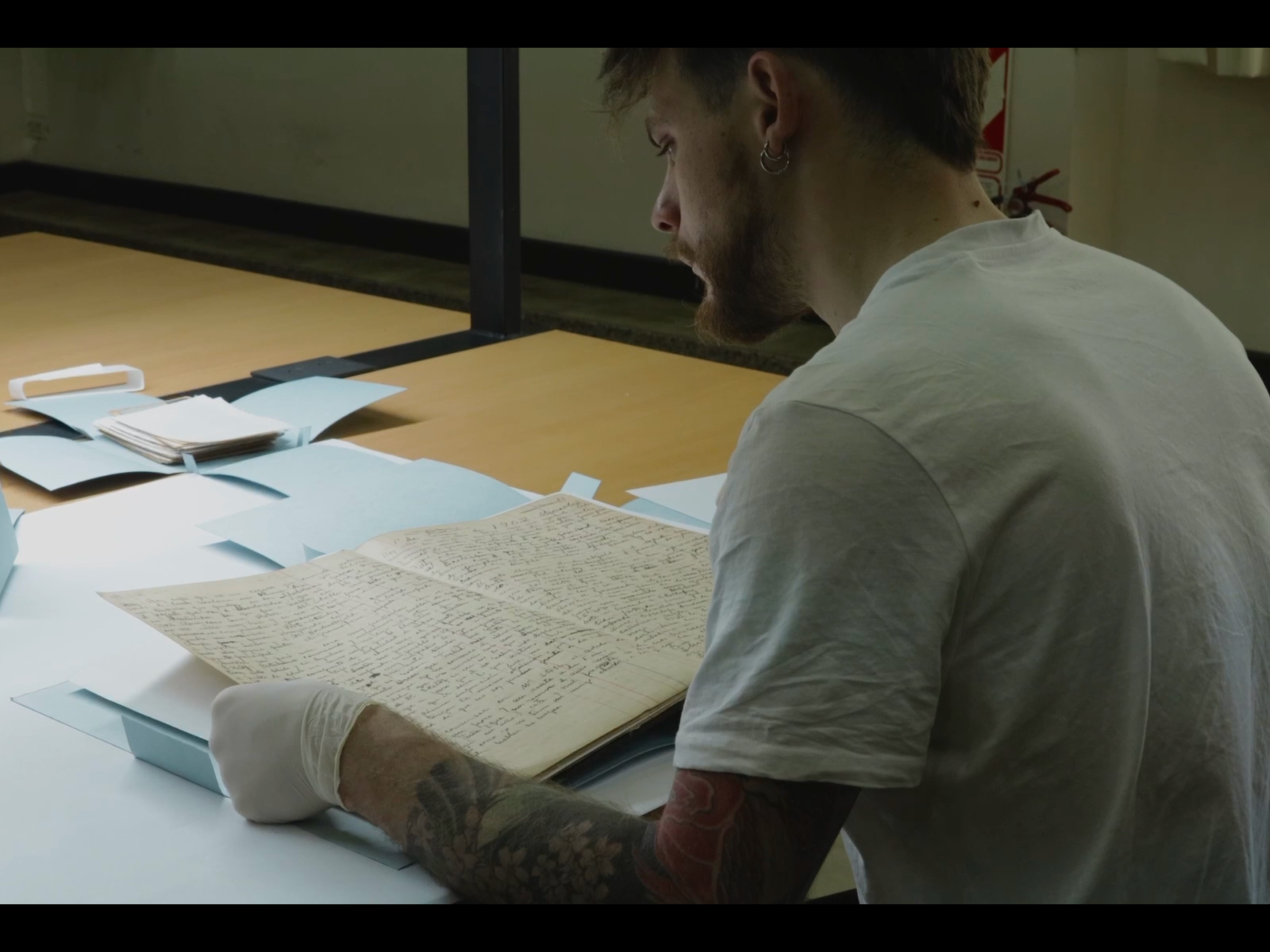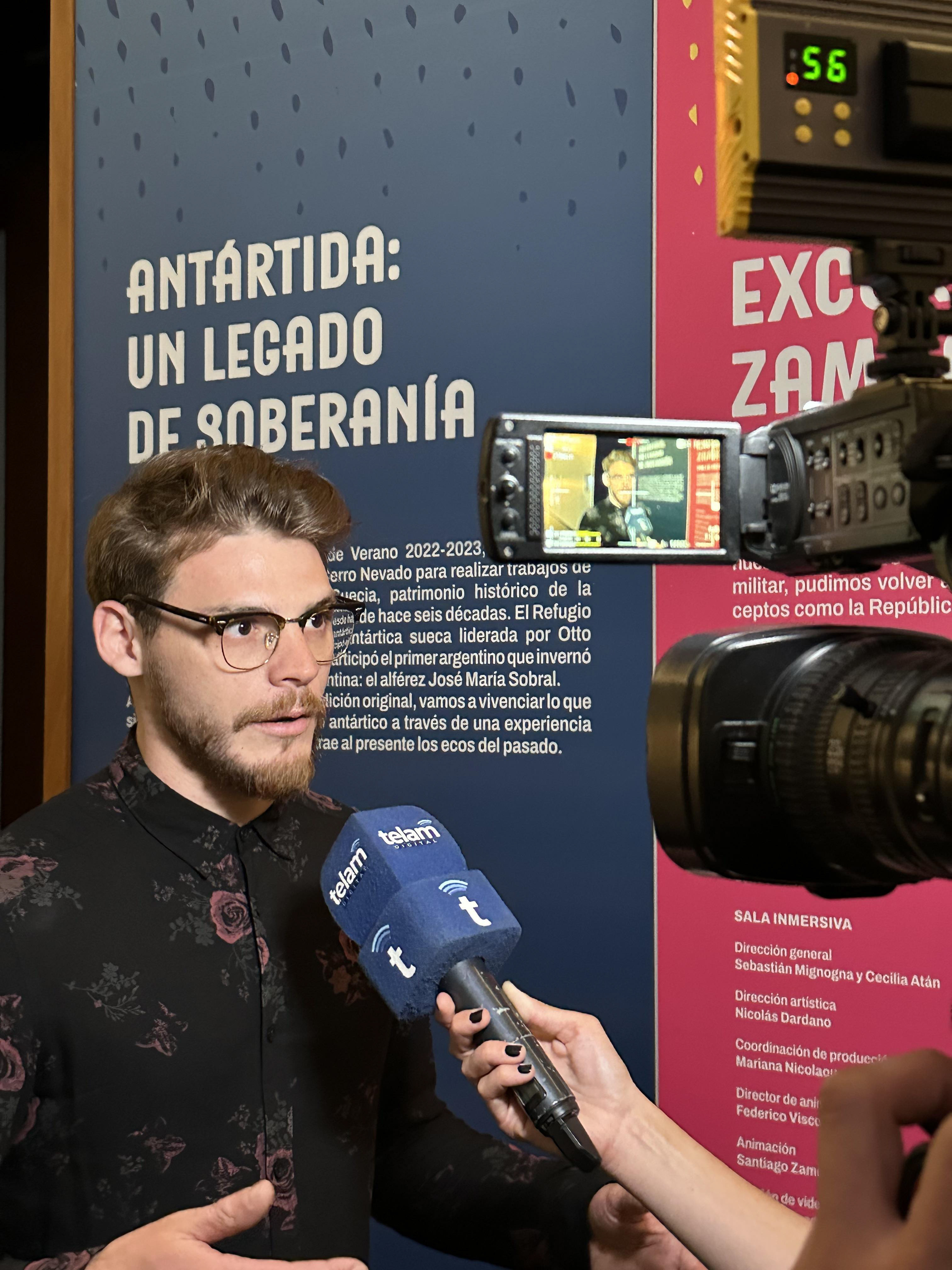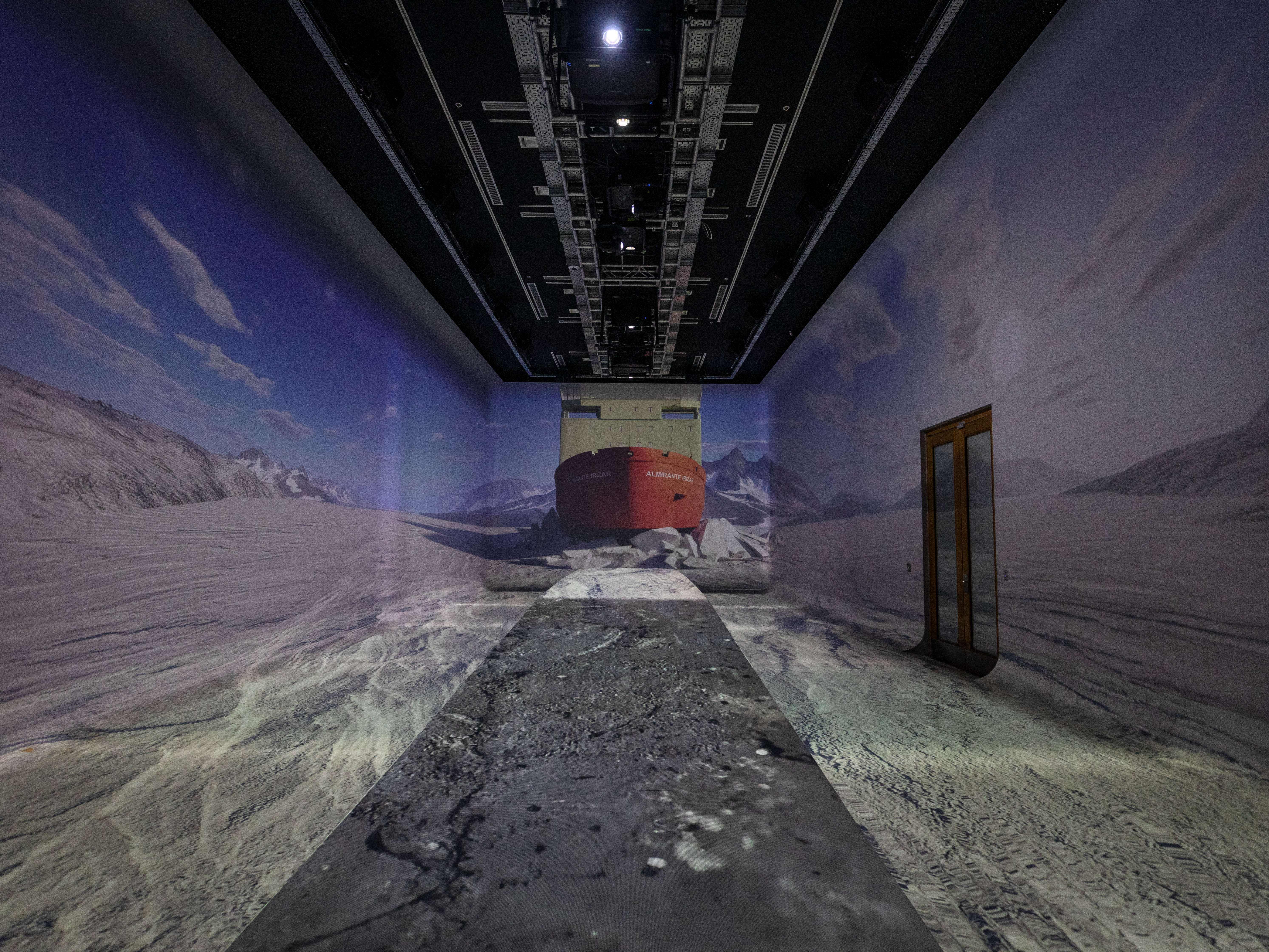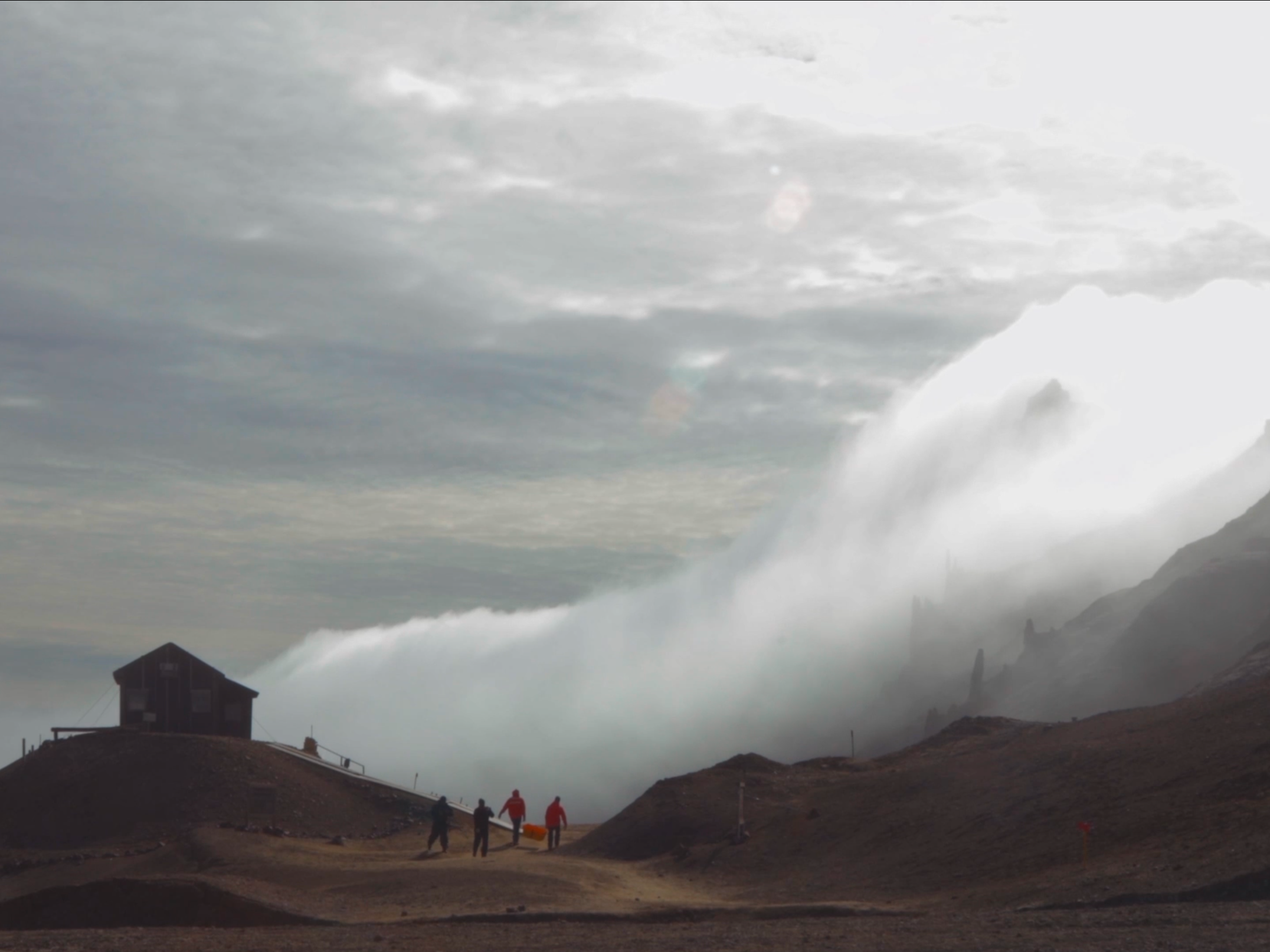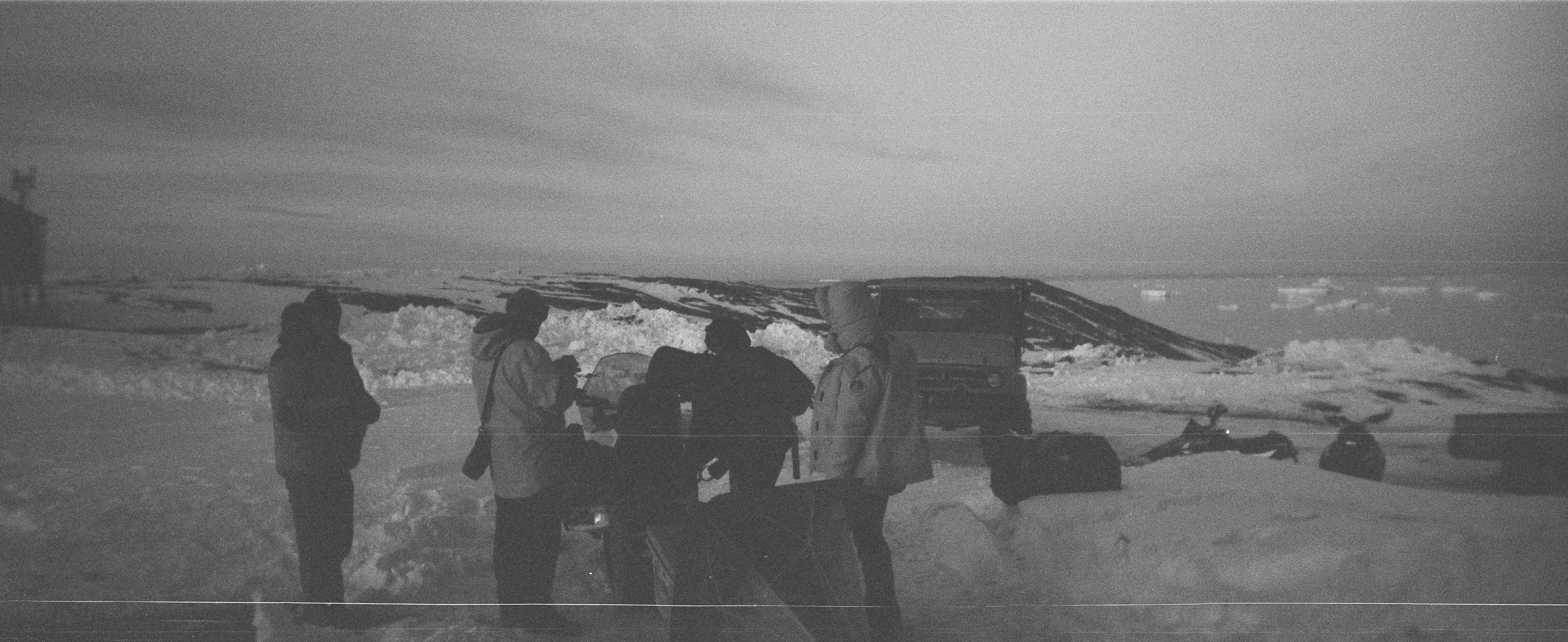
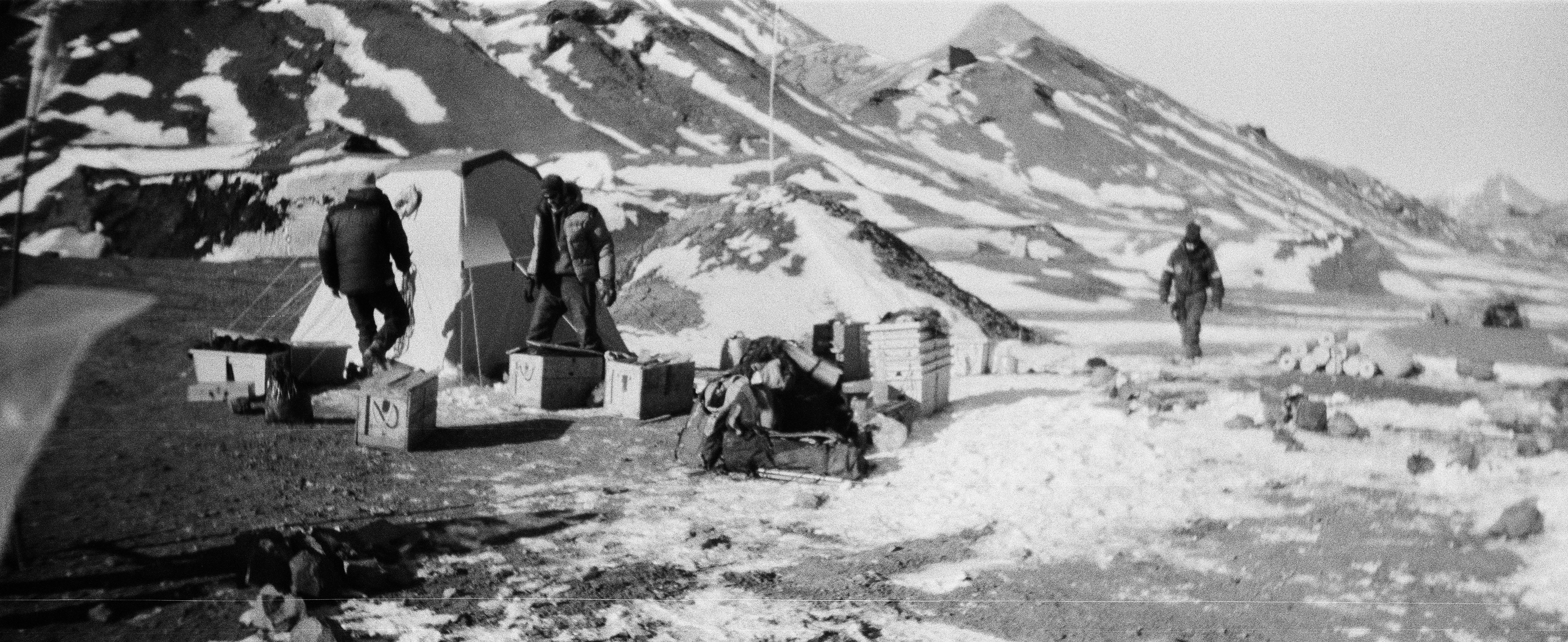
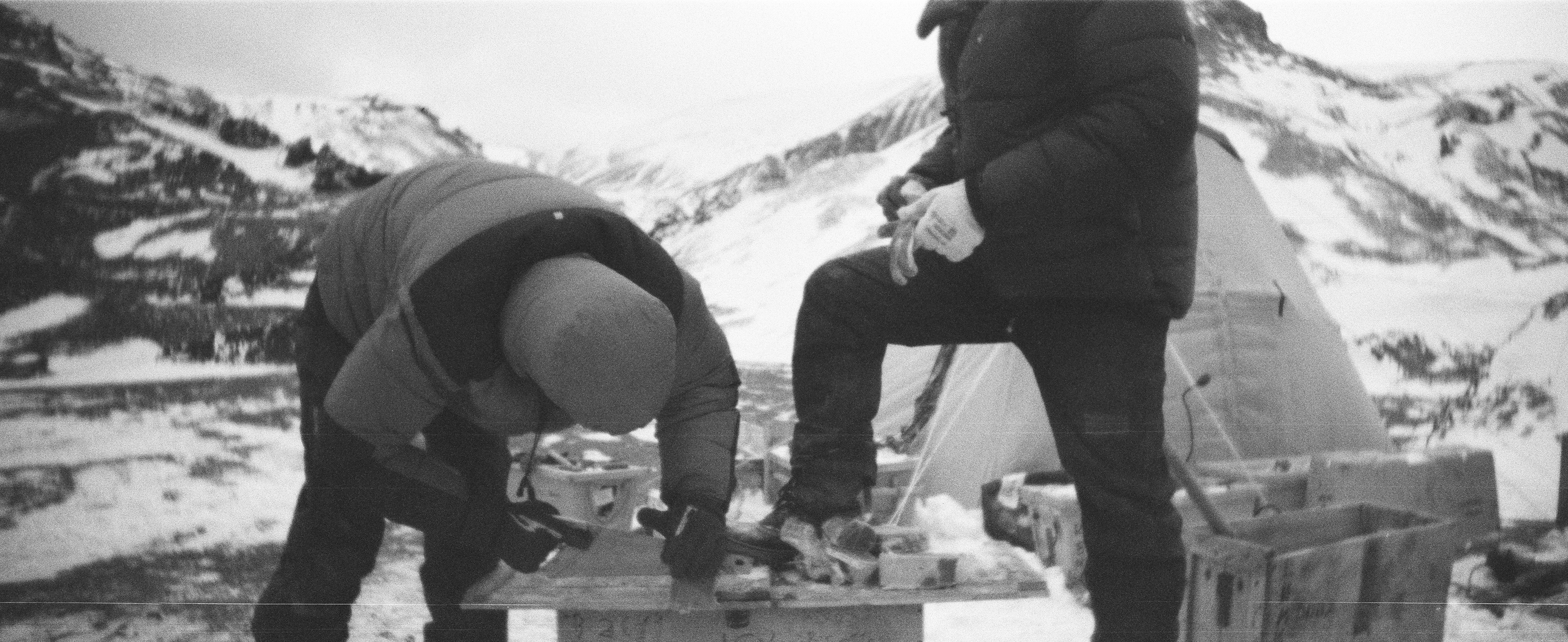
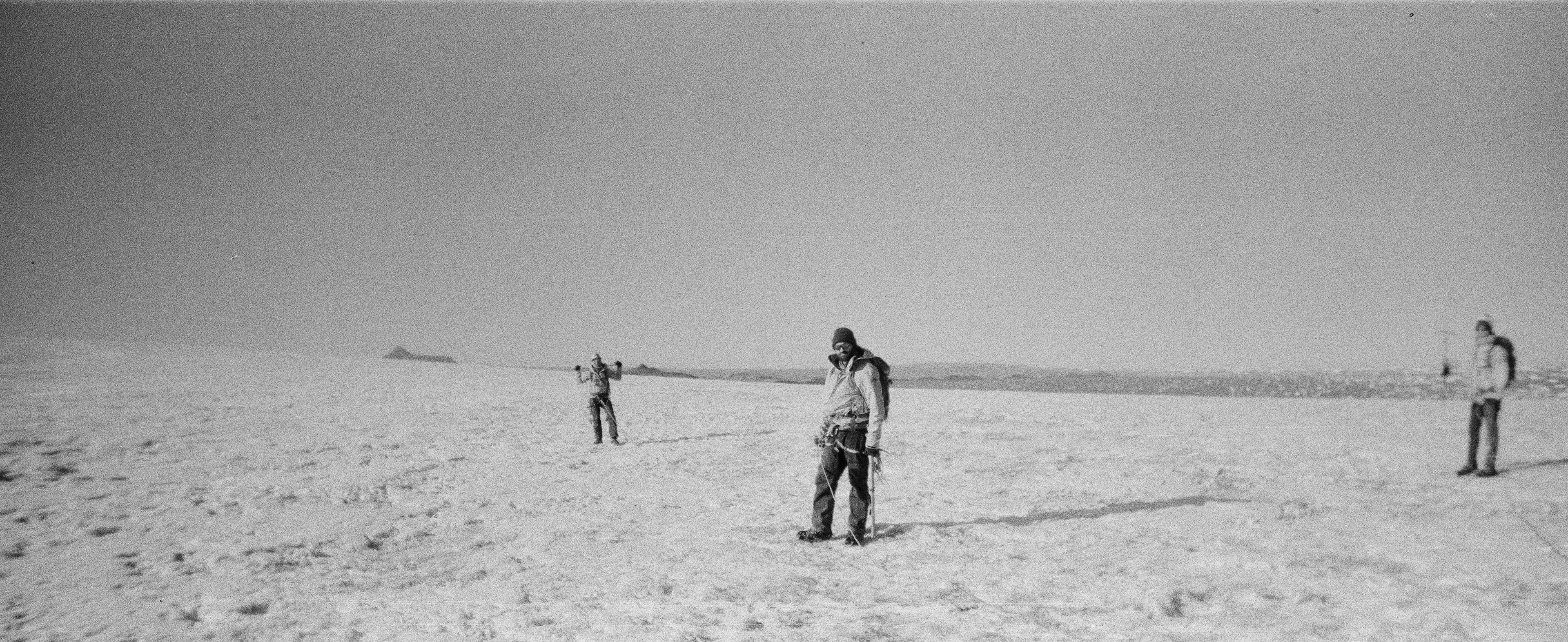
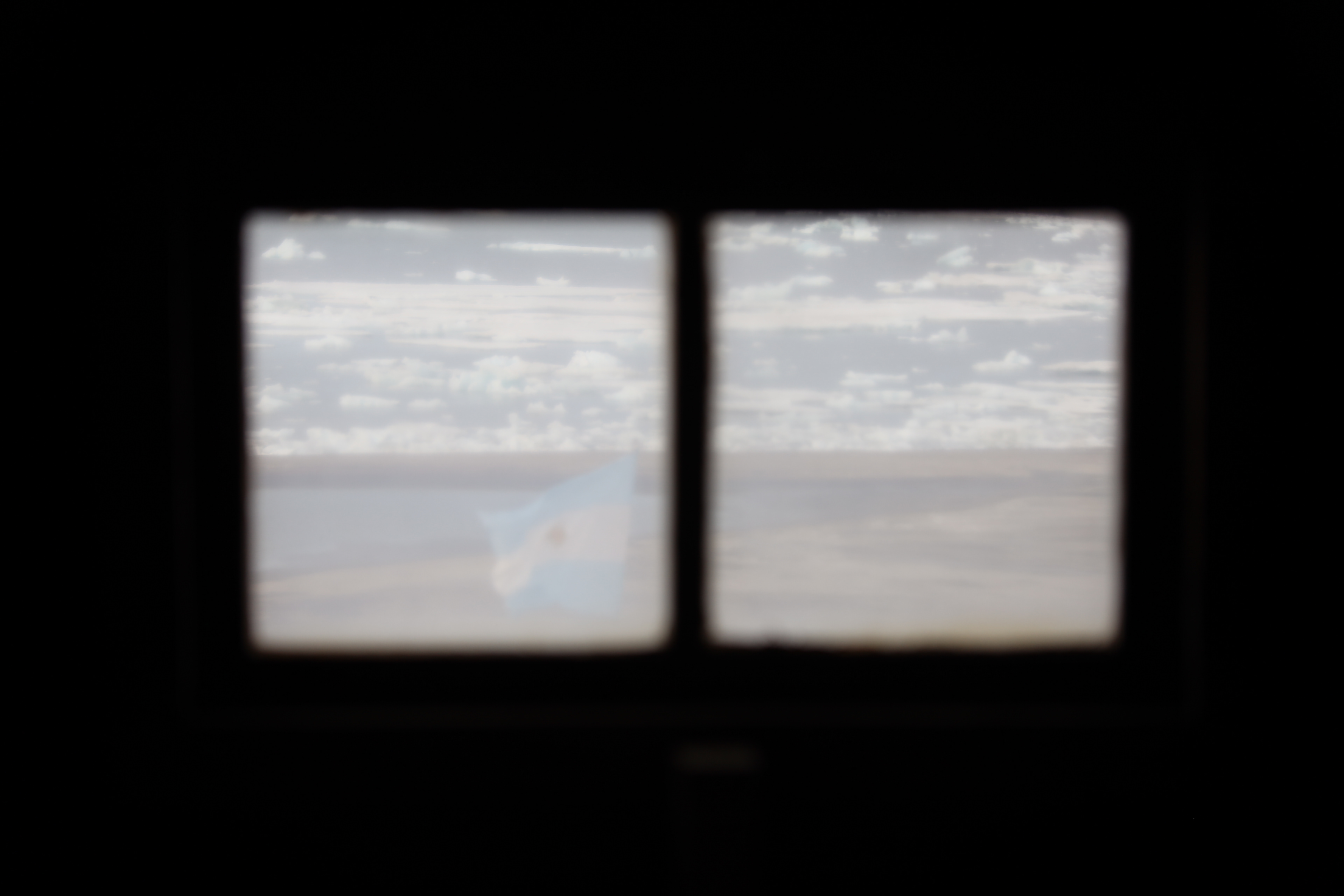
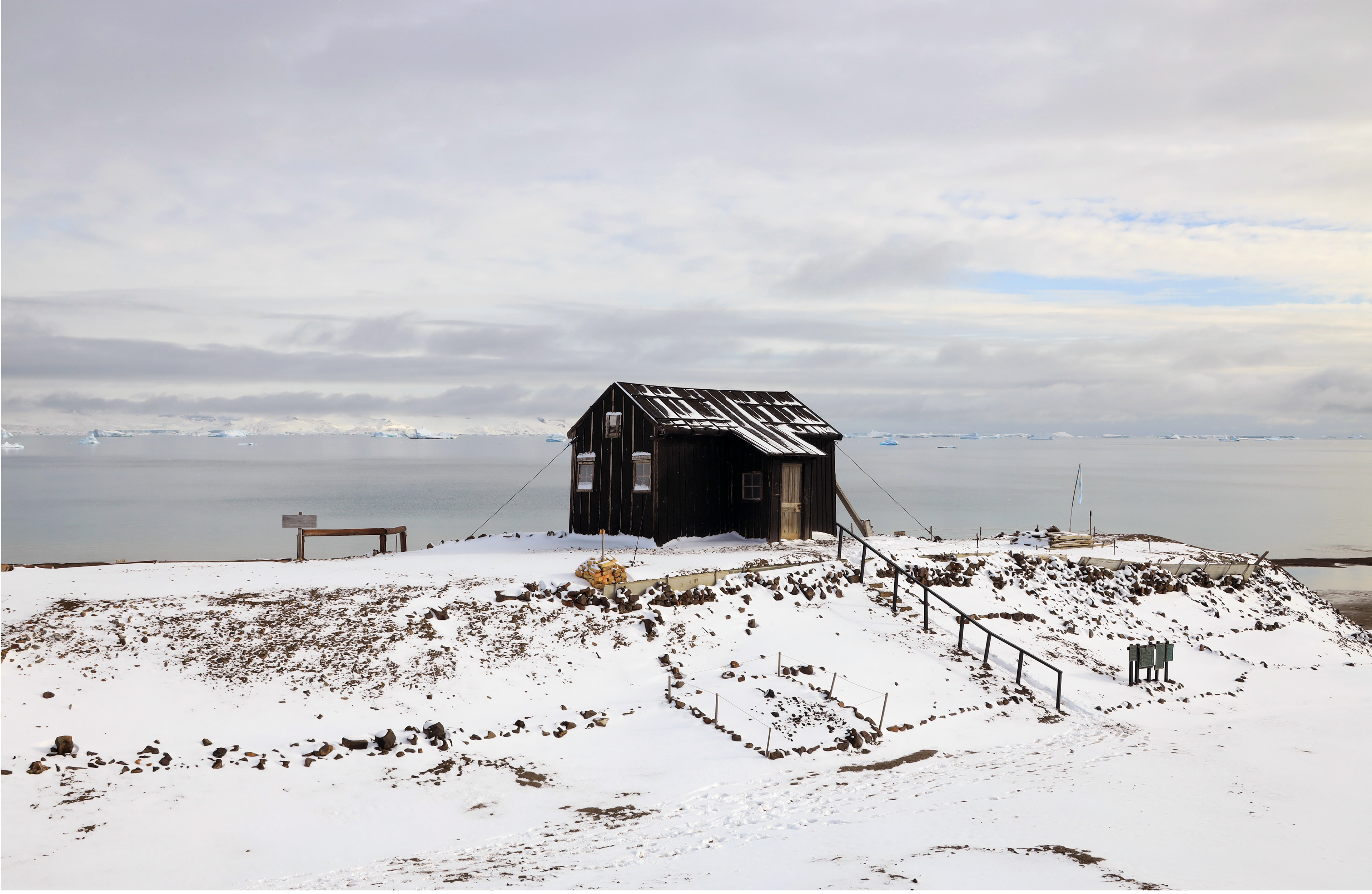
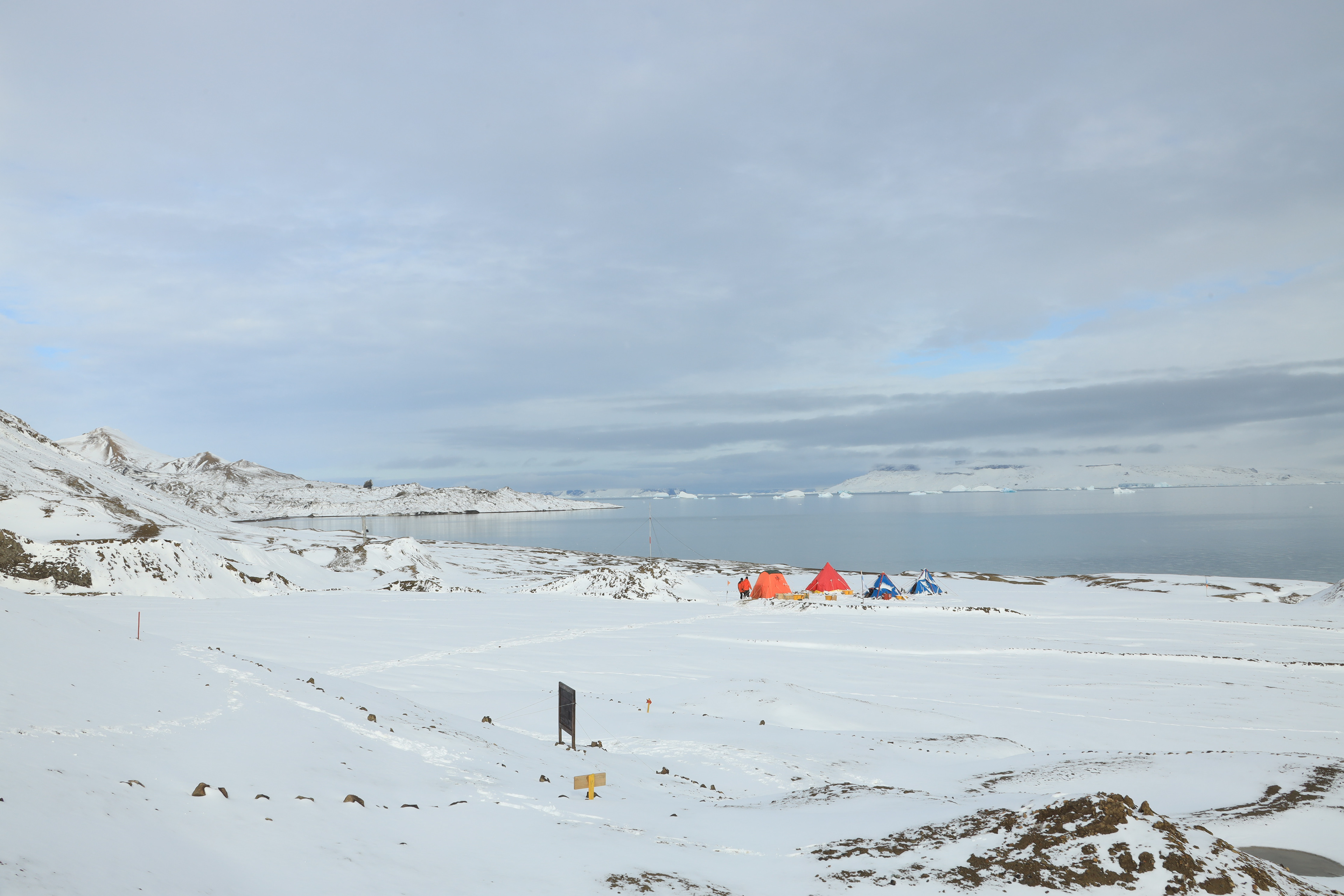
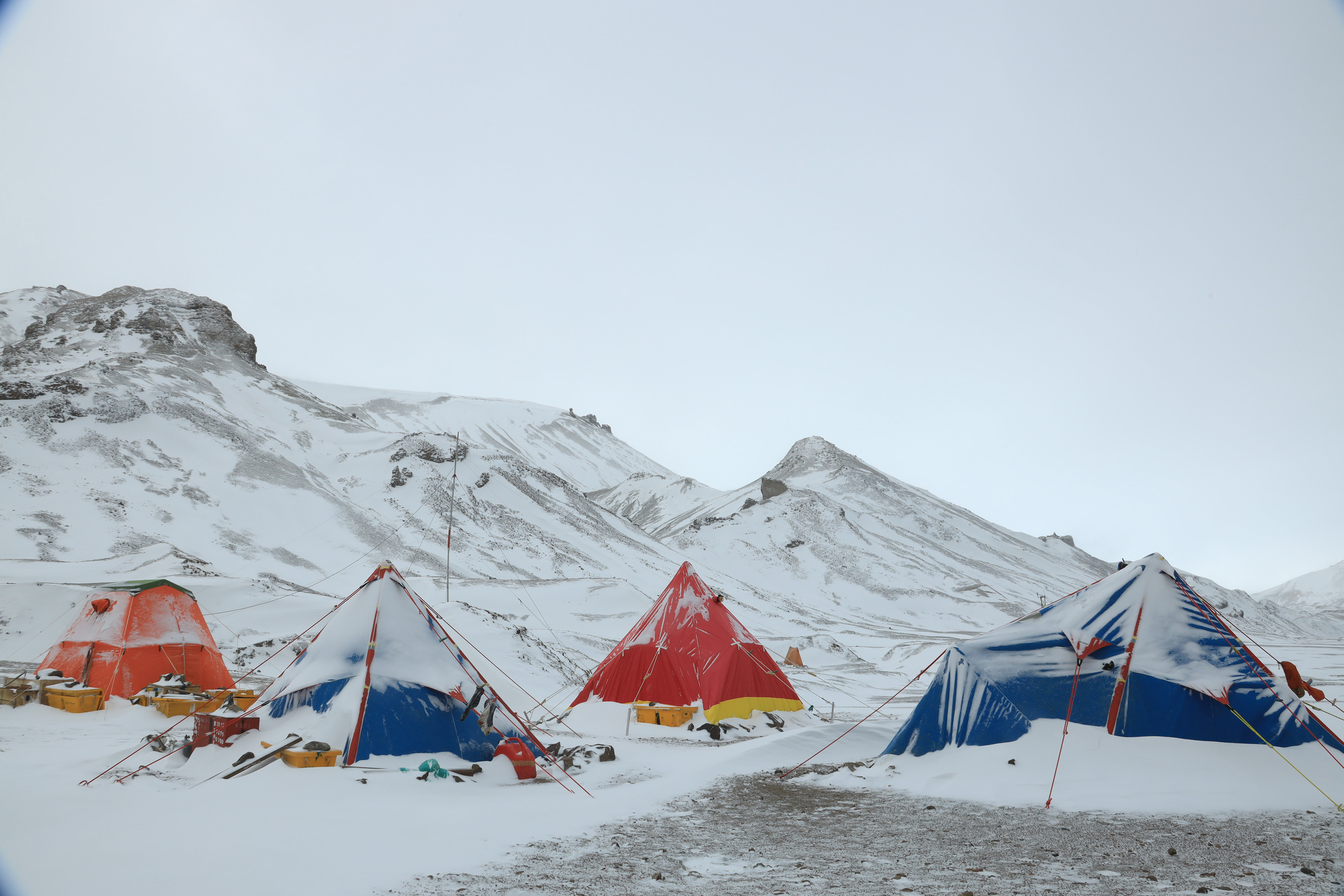
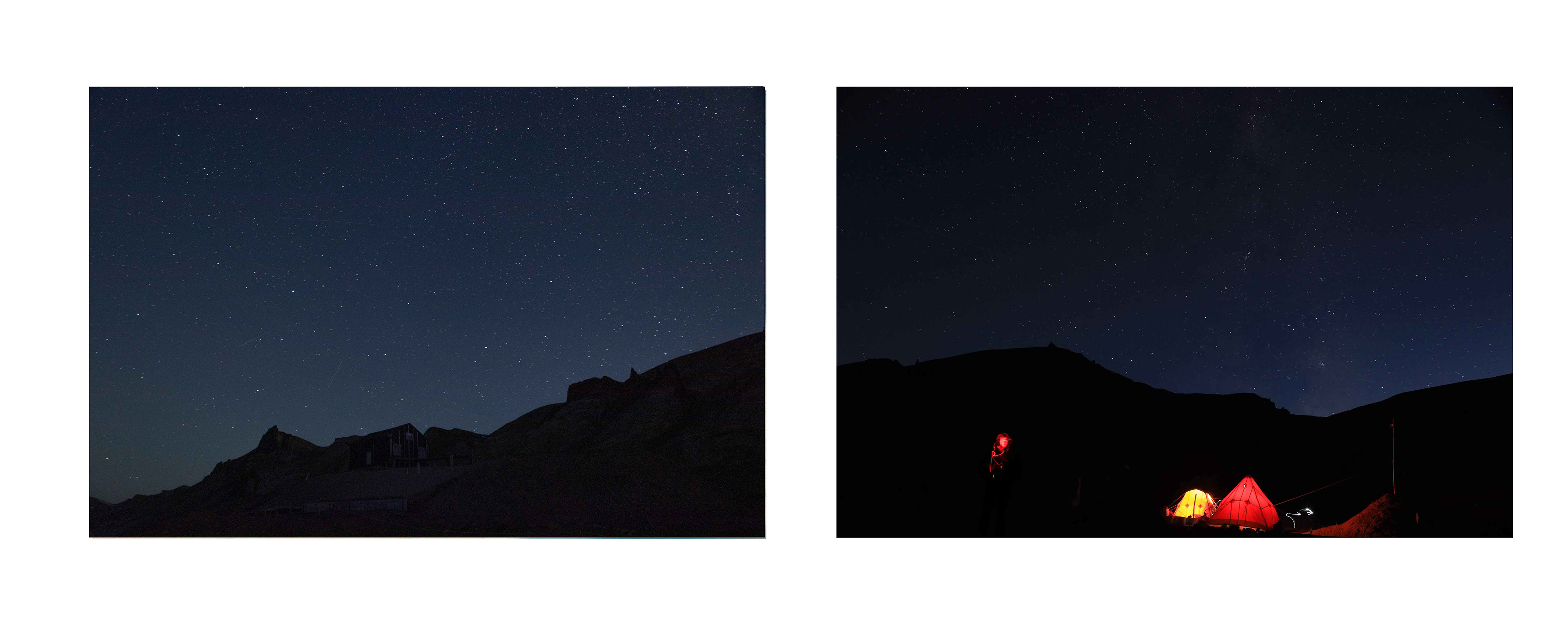
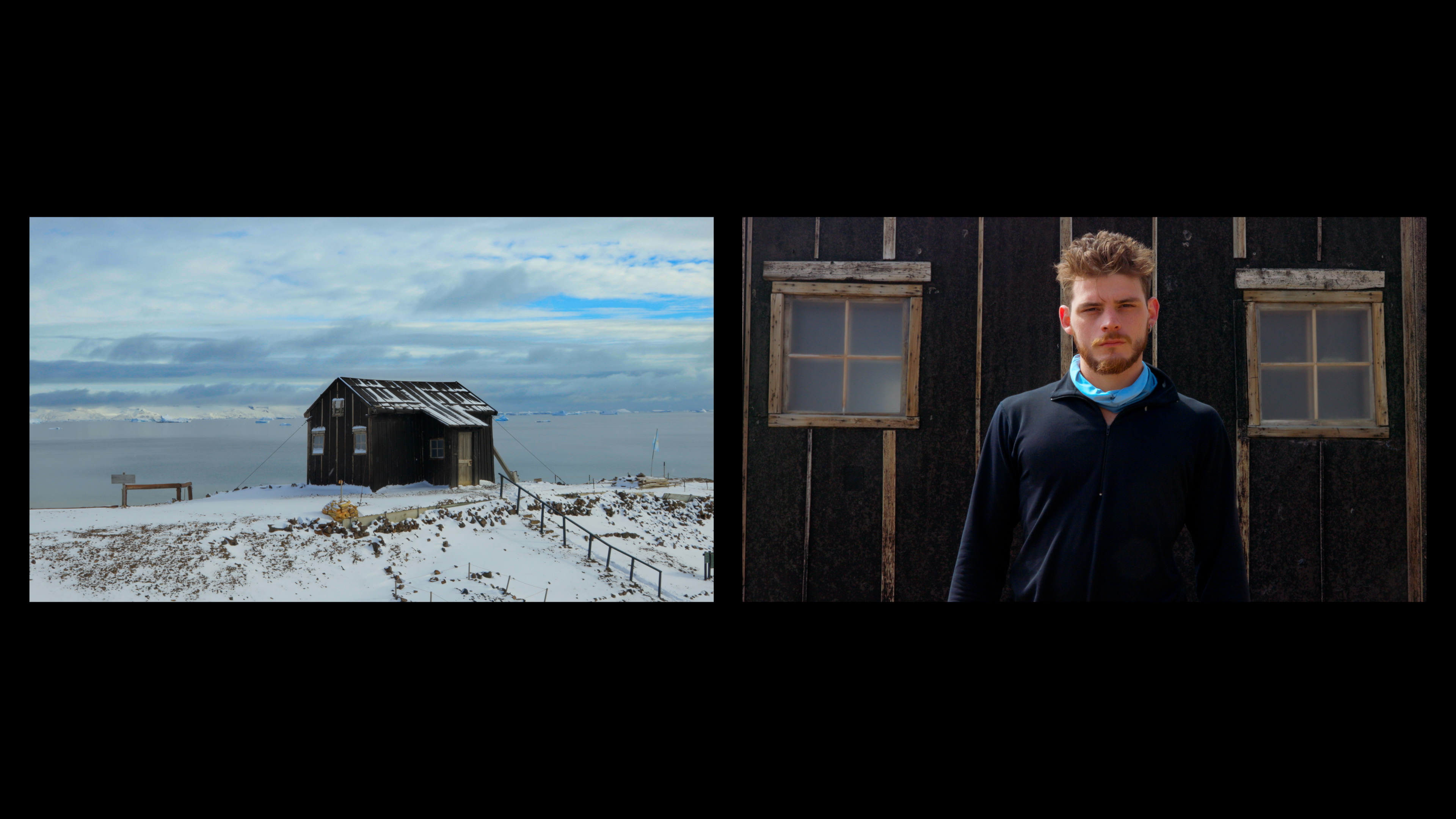
During the Argentine Antarctic Summer Campaign (2022-2023), I took part in a mission to Cerro Nevado (Snow Hill) Island focused on the conservation of this history. My work combined archaeology, museology and heritage restoration. On the archaeological side, I handled historical objects left by the 1901 to 1903 expedition, documenting material evidence of daily life and scientific work at the winter station. In museology, this meant cleaning, selecting and preparing objects for storage and eventual museum display. The restoration work centered on the physical conservation of the wooden hut known as Refugio Suecia, the oldest surviving structure in Antarctica, designated Historic Site and Monument No. 38 under the Antarctic Treaty. The site carries this weight because of what happened there in 1901. The Swedish Antarctic Expedition departed that year under the scientific direction of Otto Nordenskjöld and the command of Captain Carl Anton Larsen aboard the ship Antarctic. Among its members was Sub-Lieutenant José María Sobral of the Argentine Navy, who at twenty one became the first Argentine to overwinter on the continent. The expedition established its winter station on Cerro Nevado (Snow Hill), where a prefabricated wooden hut served as a base for research in geology, geography, bacteriology and meteorology. When the Antarctic failed to return for the wintering party, the expedition was split into three isolated groups. None of them had any way of knowing what had become of the others. Nordenskjöld and Sobral had planned for only one winter at (Cerro Nevado) Snow Hill, but with no sign of the ship, they were forced to endure a second, unplanned wintering, watching the horizon for a vessel that had already been lost and would never come. A smaller party of three men, Johan Gunnar Andersson, Samuel Duse and Toralf Grunden, was left stranded at Hope Bay after failing to reach them overland, equally cut off and equally in the dark about the ship's fate. The Antarctic itself was later crushed by pack ice and sank, forcing its remaining twenty crew members under Larsen to survive a winter on Paulet Island. All three groups endured this extra Antarctic winter in complete isolation from one another until the Argentine corvette Uruguay, commanded by Julián Irizar, found and reunited them in November 1903, one of the landmark rescue episodes in the history of Antarctic exploration.